Nine specimens, each shown as it arrived, partway through, and finished. Where
there are photographs from more than one sitting you can step through them.
Click any photograph to enlarge it.
01
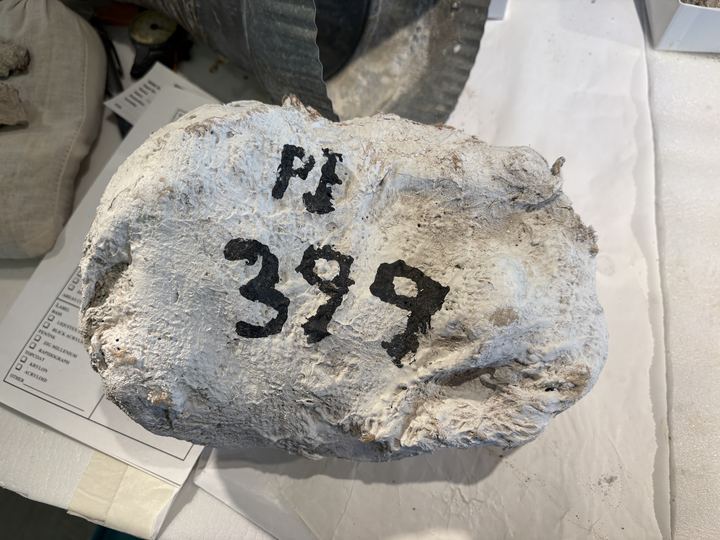
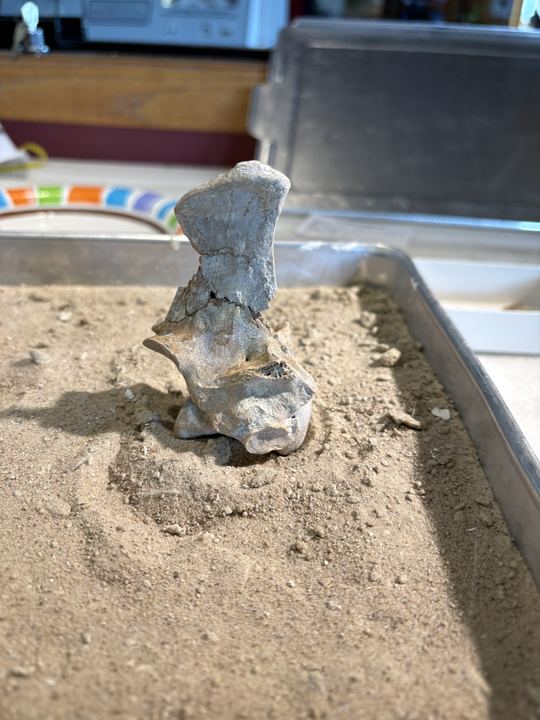
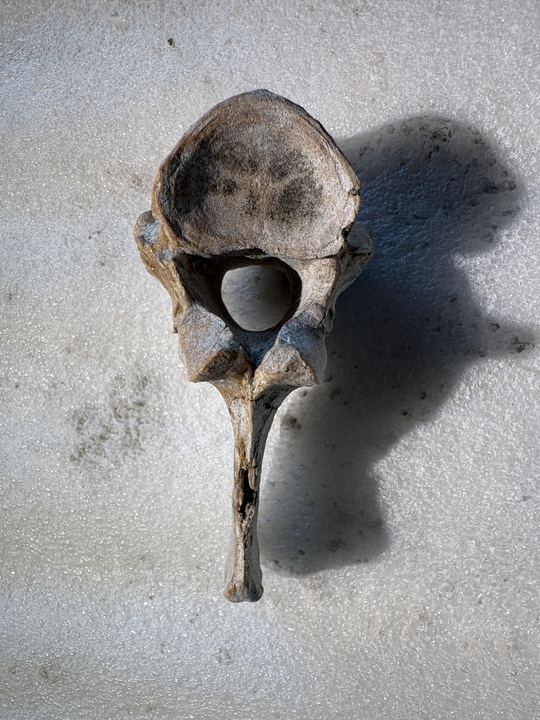
Miocene Equid Thoracic Vertebra (field no. 399)
Prepared at Ashfall Fossil Beds for the University of Nebraska State Museum.
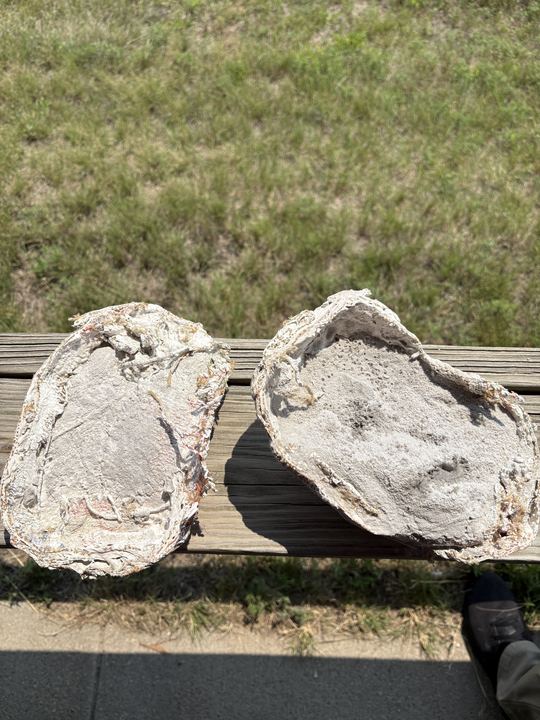
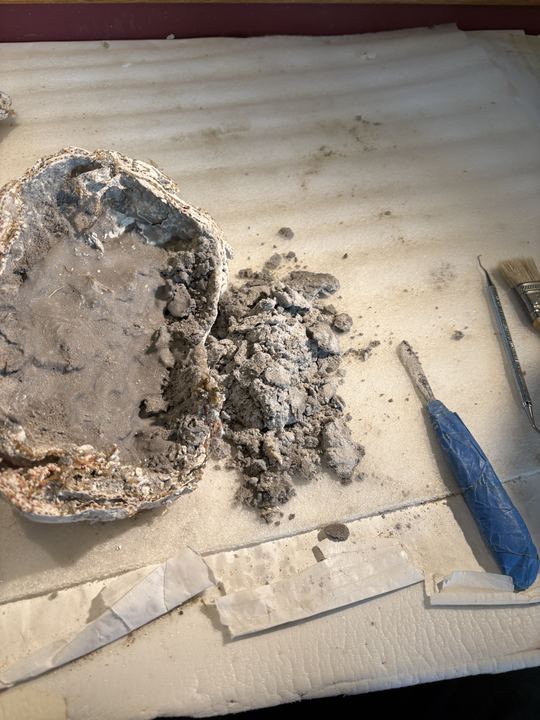
A plaster field jacket came in from the ash bed, was opened on the bench, and the
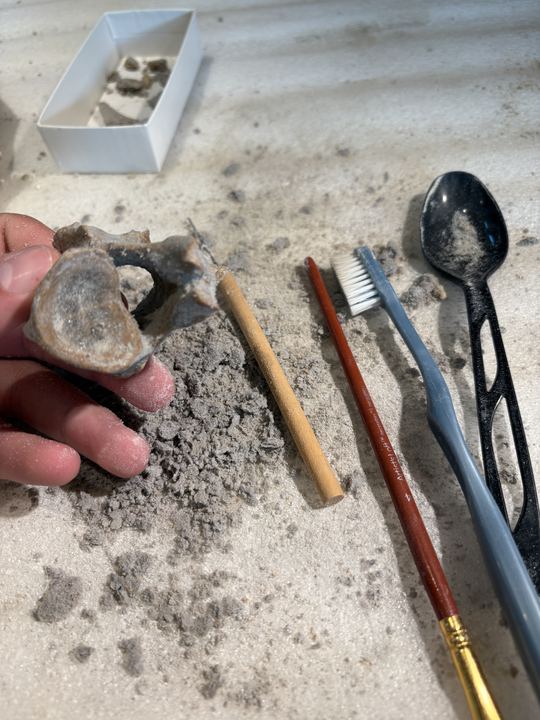
vertebra inside was worked free of the volcanic ash it had been buried in. The
fragments that came out alongside it were kept with the specimen. Four days from
closed jacket to a cataloged element in a box.
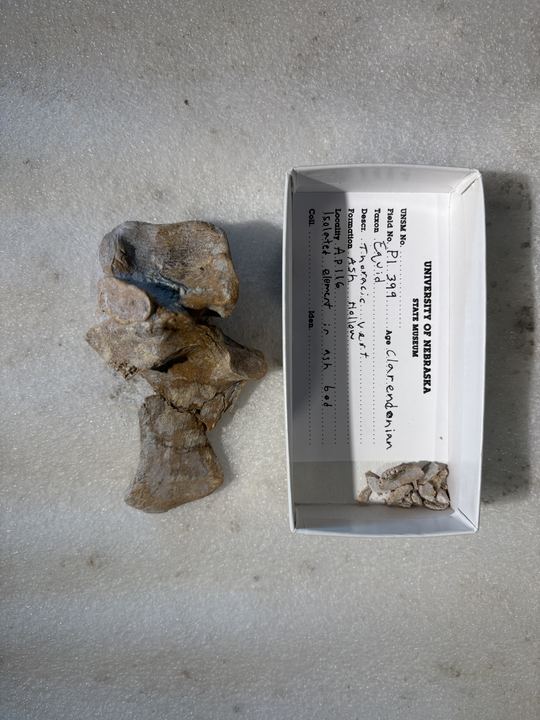
The jacket as it reached the lab, field number painted on the plaster.Both halves off, with the ash the bone was packed in still in place.Ash worked back with a pick and a brush.Bone clear of the ash, with the tools that got it there.Pieces held in contact, standing in a tray of sand.Centrum face toward the camera, neural spine running below.Boxed with its museum label and the fragments that came out with it.
Museum
University of Nebraska State Museum
Field no.
399
Age
Clarendonian
Taxon
Equid
Desc.
Thoracic vert
Formation
Ash Hollow
Locality
AP116
Isolated element in ash bed
Transcribed from the specimen label in the last photograph.
02
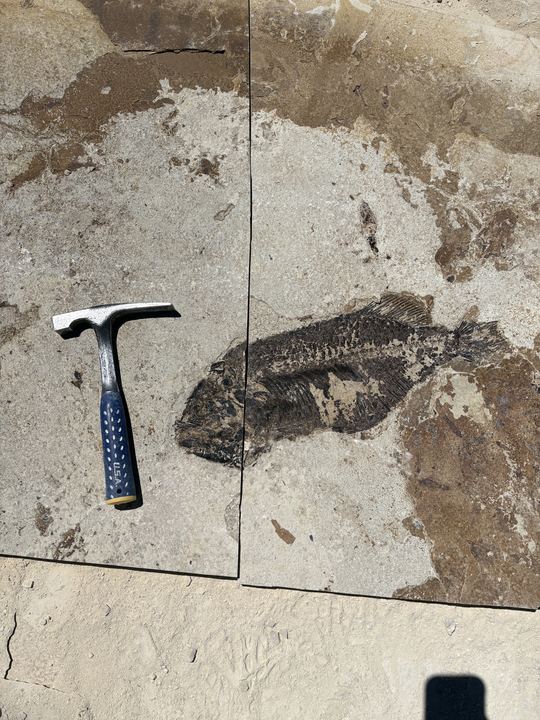
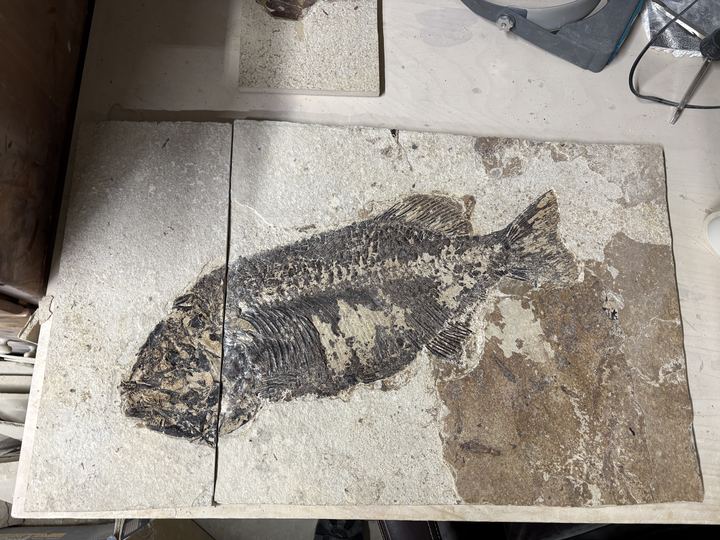
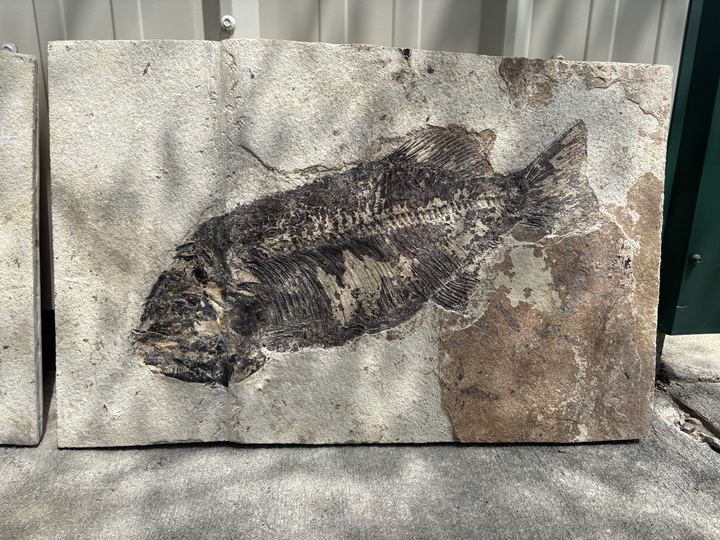
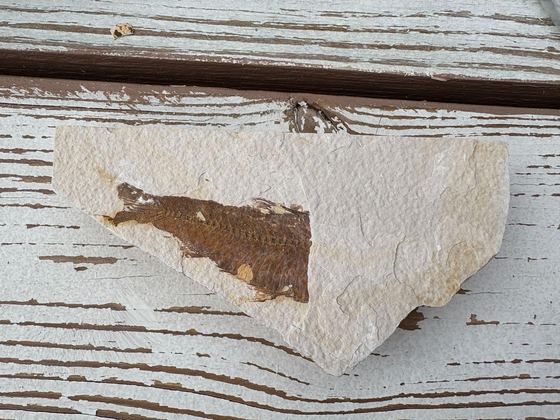
Green River Fish Plate, Quarry to Finished
Split, collected and prepared at a Green River Formation quarry for In-Stone Fossils.
The fish turned up on a freshly split layer in the quarry floor. It came off the
hill in two pieces, was rejoined and cleaned on the bench, and finished as a single
plate. A rock hammer sits beside it in the first photograph for scale.
In the quarryOn the benchFinished
03
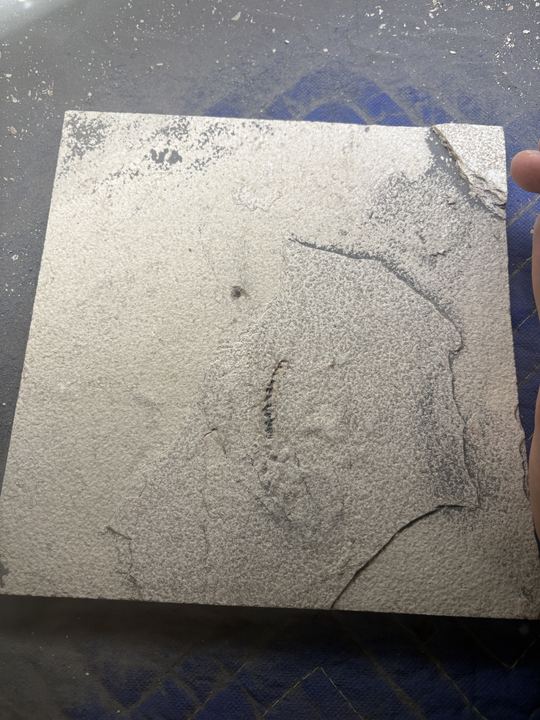
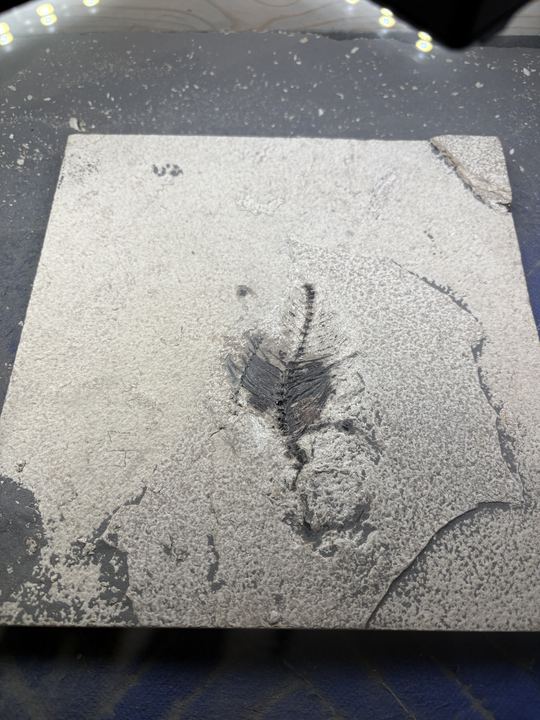
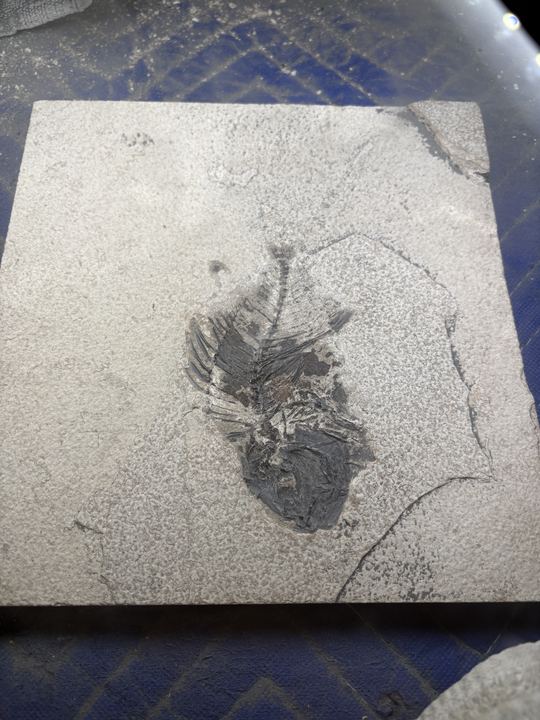
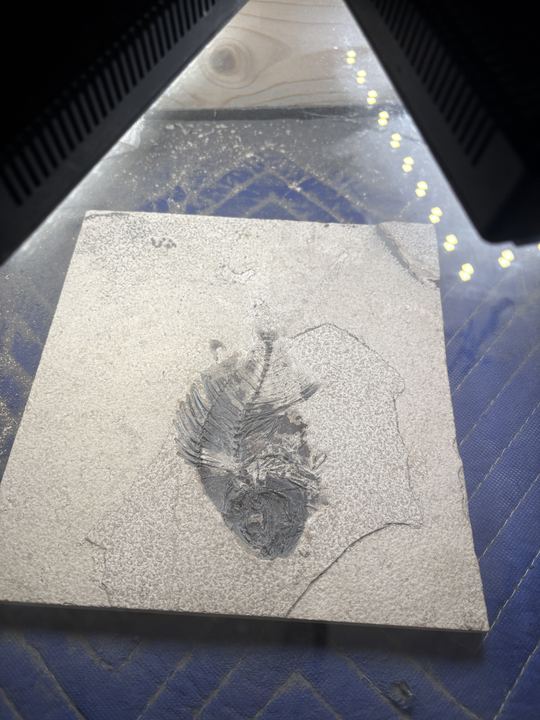
Priscacara Prep (Priscacara serrata)
Prepared independently over five days.
This Priscacara serrata from the 18-inch layer took about
6 hours and 40 minutes to prepare. I started by using an air scribe to “rough
out” the shape of the fish, then I followed up with air abrasion to finish
the prep. The photographs are the same slab in the same position each time, so
stepping through them shows only what came off between sittings.
Only a faint trace at the surface.Fin rays and part of the spine out of the matrix.More of the body, and the head starting to show.Head clear, and the outline of the fish readable end to end.
04
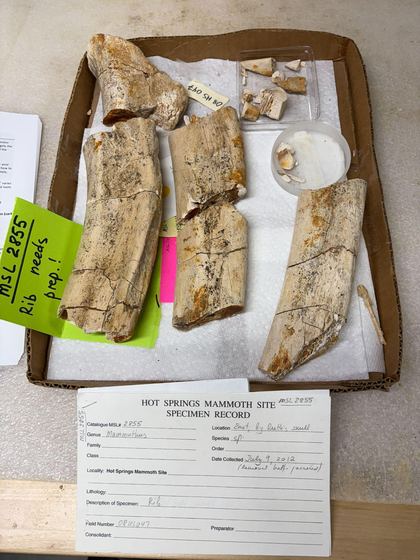
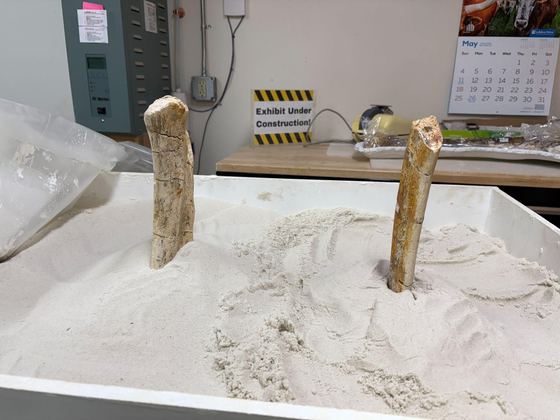
Columbian Mammoth Rib (Mammuthus columbi)
Prepared for the Mammoth Site of Hot Springs, South Dakota.
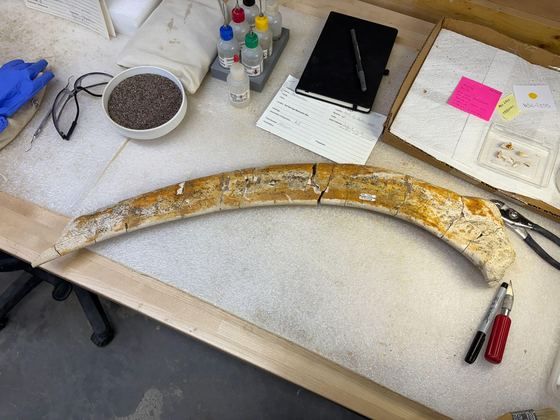
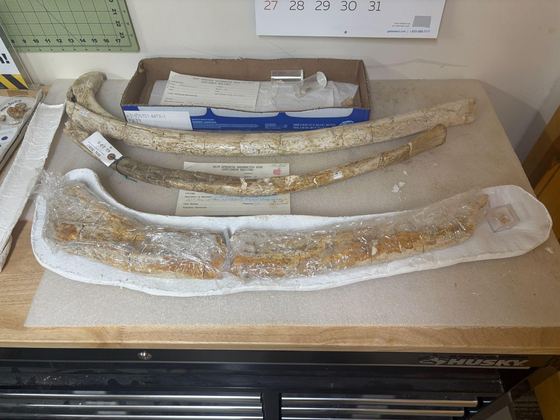
Catalog number MSL 2855 arrived as a tray of broken fragments. The pieces were
joined with Paraloid B-72 and stood upright in a sand tray so each join
could cure without stress on the bone. Too much of the middle was missing to close
the gap, so that section was left open rather than filled. The finished rib was
housed in a custom plaster support jacket.
BeforeDuringAfterPlaster jacket
05
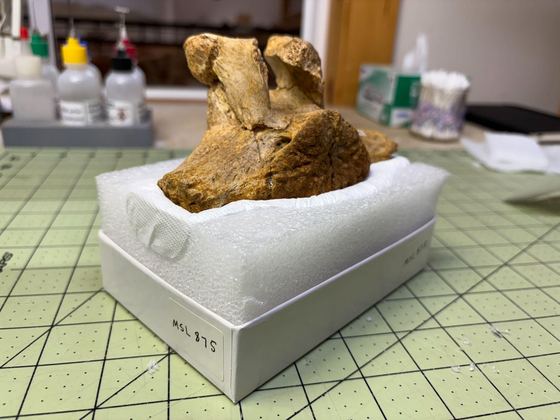
Columbian Mammoth Vertebra, Cavity Mount (Mammuthus columbi)
Made for the Mammoth Site of Hot Springs, South Dakota.
The mount is carved to the shape of this vertebra, so the bone sits in full
contact with its support and can be handled and stored without pressure on the
processes.
Cavity mount
06
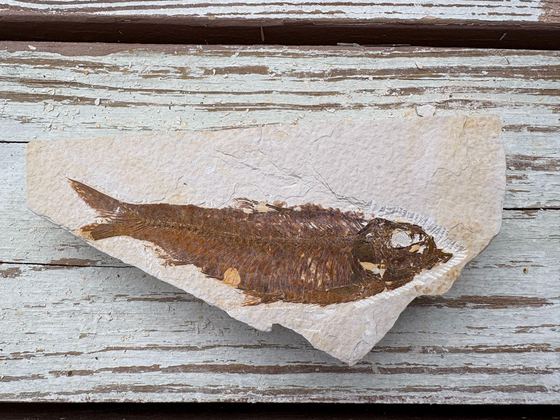
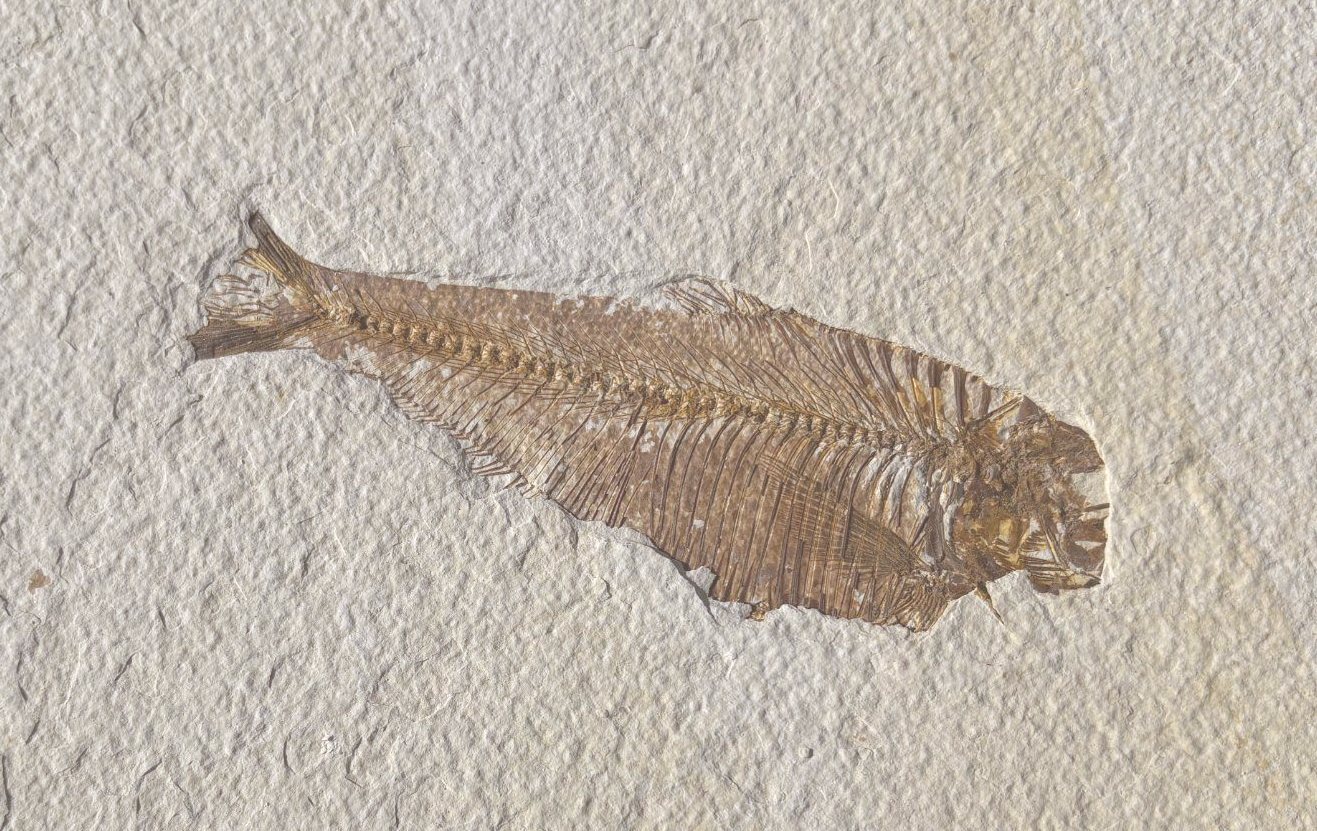
Knightia (Knightia eocaena)
Prepared independently with an X-Acto knife.
An Eocene fish from the Green River Formation that came out of the quarry with
much of the body still buried. The limestone above it was lifted a flake at a
time until the head, body, and fins were all clear of matrix.
BeforeAfter
07
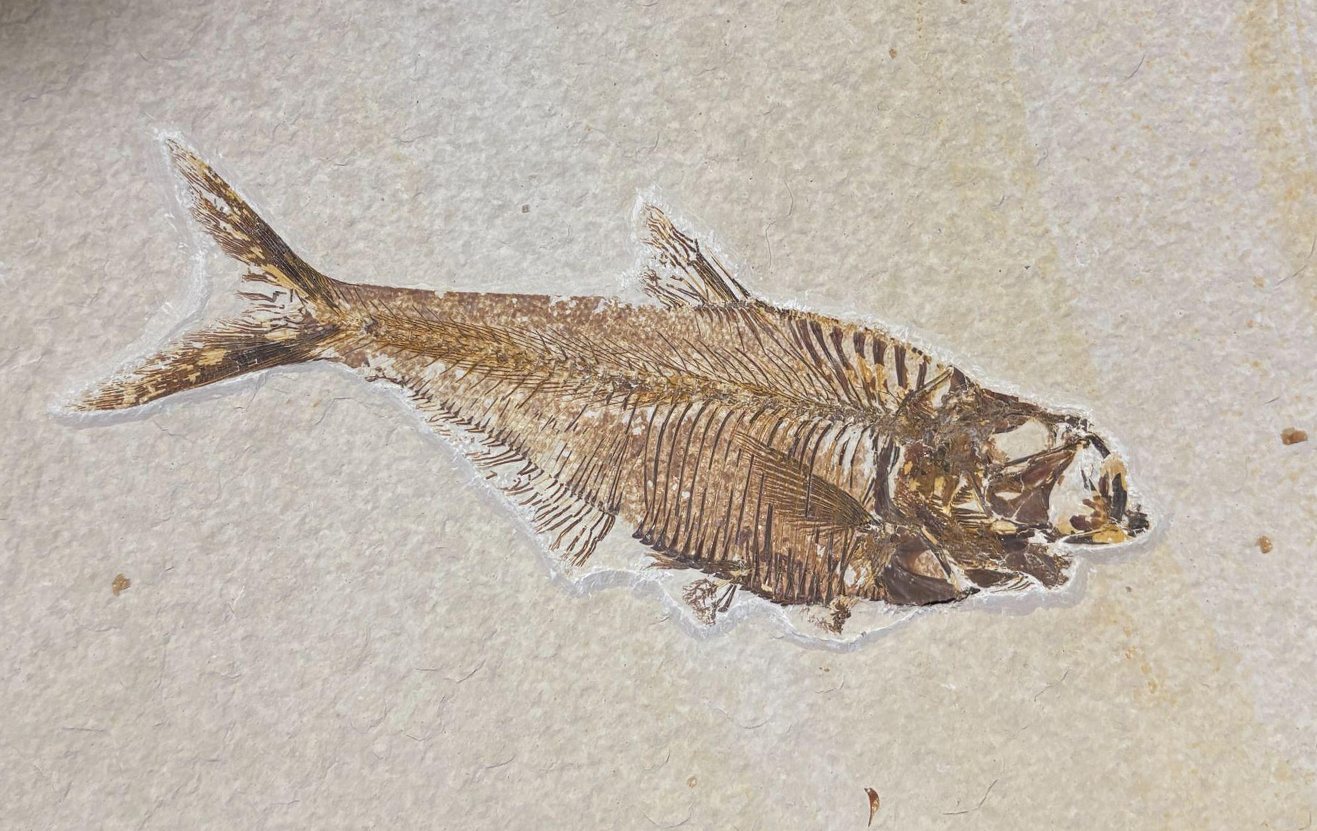
Diplomystus (Diplomystus dentatus)
Prepared independently with an X-Acto knife.
Only part of the fish showed on the split surface. Hand preparation brought up
the rest of the animal, including the deep-bodied outline and the fin rays. The
rays are thin enough that a slip takes them off the slab for good.
Drag the handle, or focus it and use the arrow keys
08
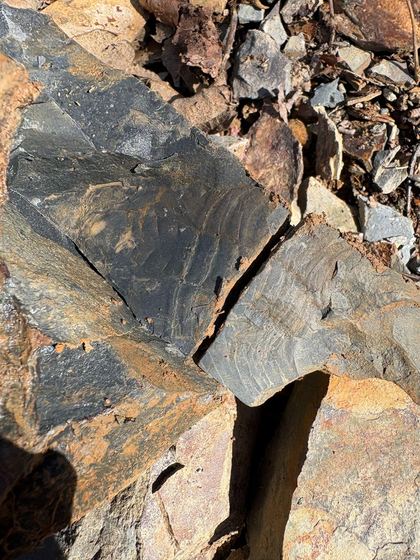
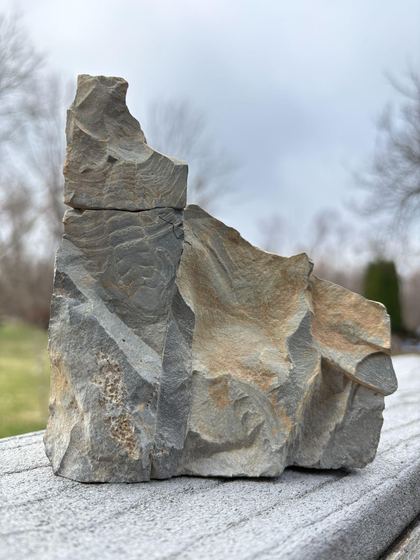
Olenellus (Olenellus getzi)
Prepared independently, cleaned and glued.
I collected this Olenellus getzi from the Kinzers Formation of
Pennsylvania. The rock this trilobite rests in was covered in mud and fragmentary
when found. I used brushes to clean the mud, and then I glued the trilobite back
together.
BeforeAfter
09
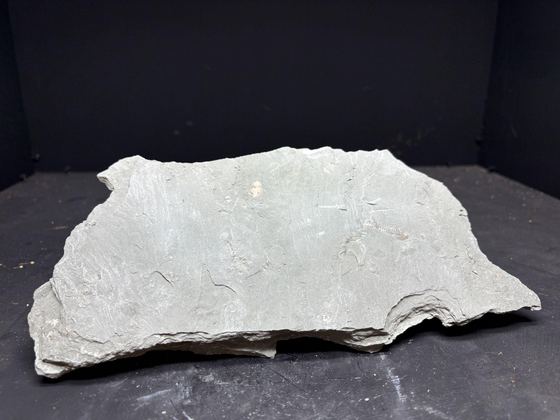
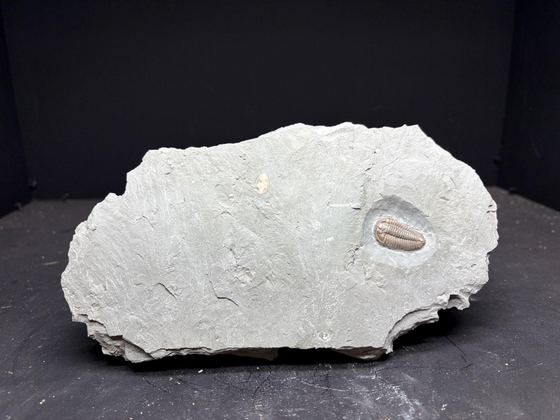
Flexicalymene (Flexicalymene retrorsa)
Prepared independently with air abrasion and a scribe.
Nothing was visible on the surface of this slab when work started. Air abrasion
and scribe work took the overburden down in stages until an Ordovician trilobite
came up intact, sitting just below the face of the rock.